Choosing Your First Bike
If you're new to motorcycles, one of the first things you'll notice is that not all bikes are created equal. In fact, Most motorcycles have evolved into several distinct categories, each designed around a specific style of riding. Some motorcycles are built to rip across dirt trails, others are meant for high-speed track riding, and some are designed to comfortably cross entire continents.
Choosing the right type of motorcycle is one of the most important decisions a rider will make. The design of the bike influences how it handles, how comfortable it feels, where it can be ridden, and what kind of riding experience it provides.
On this page, we will discuss several of the most common categories of motorcycles, along with what they're designed to do and why their riders love them.
Dirt Bikes
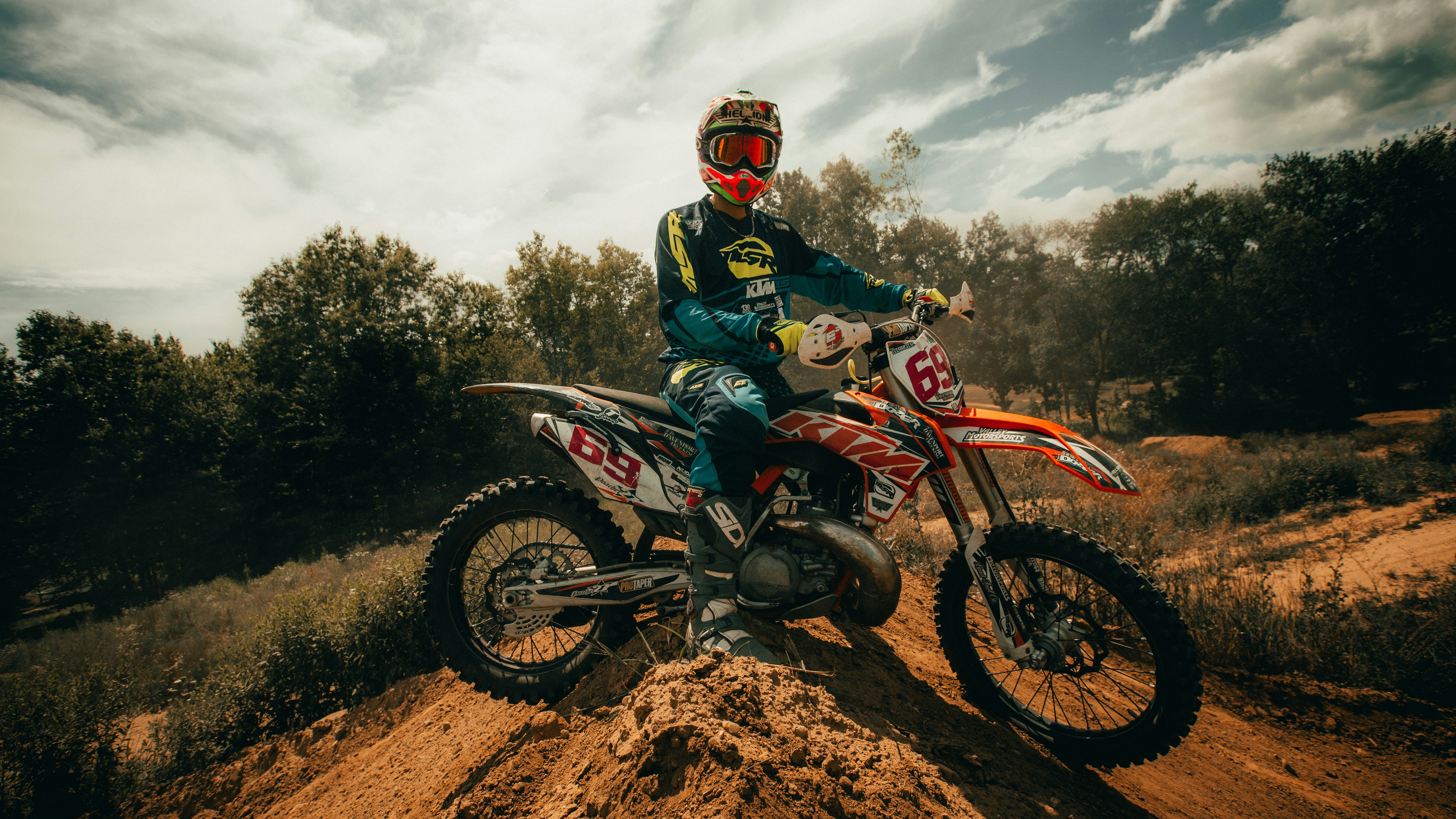
Dirt bikes are the wild children of the motorcycle world. They are designed specifically for offroad riding, where pavement is nonexistent, and the terrain is unpredictable. If the road looks rough, rocky, muddy, sandy, or completely nonexistent, that's exactly the kind of place dirt bikes thrive.
The riding style of a dirt bike is active and physical. Riders frequently stand on the foot pegs to absorb bumps and control the bike over uneven terrain. Unlike street motorcycles, which prioritize smooth pavement performance, dirt bikes are designed to handle obstacles like roots, rocks, hills, jumps, and deep ruts. Riding one feels less like driving a vehicle and more like participating in a fast-moving sport.
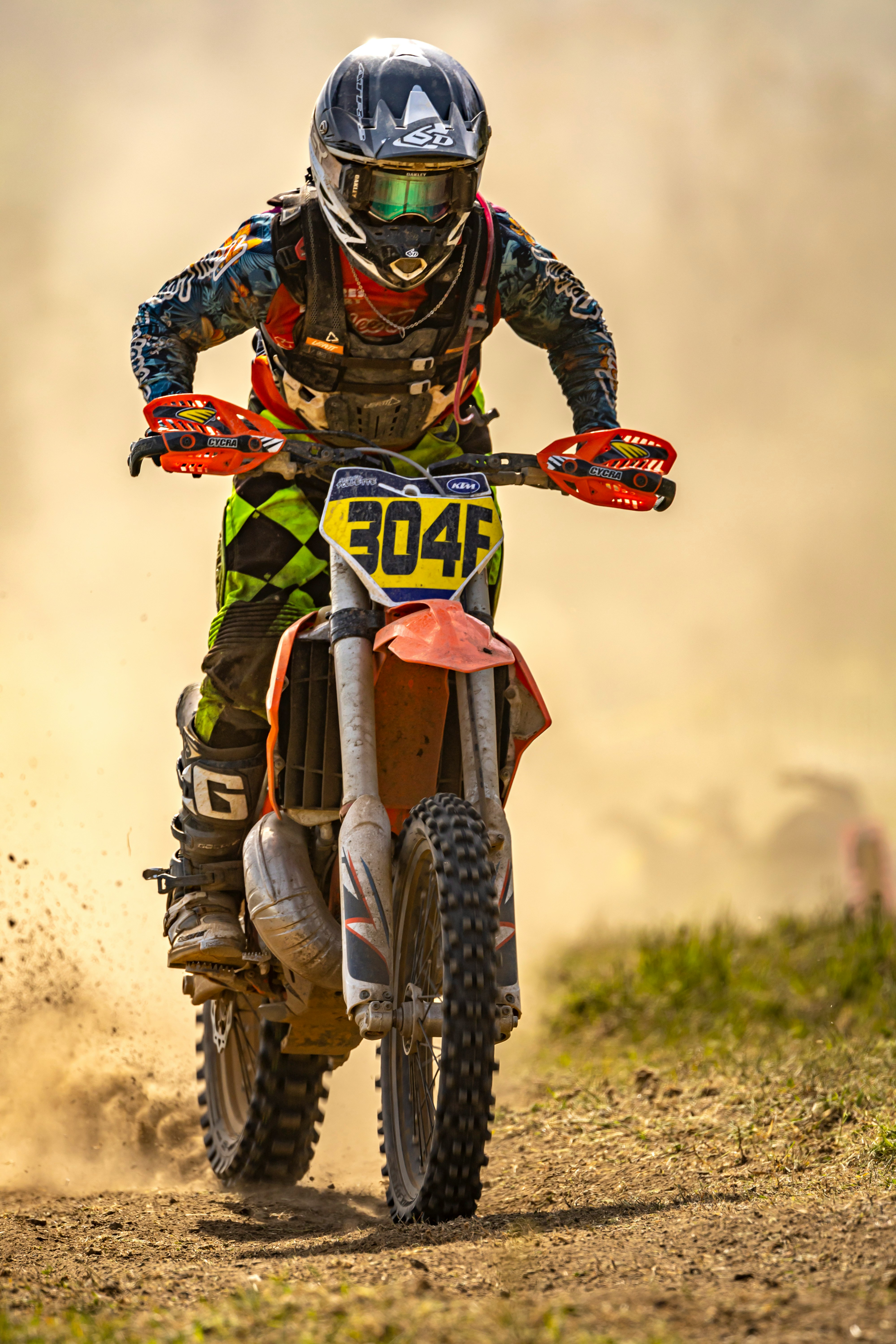
Dirt bikes are used for a variety of activities, including trail riding, motocross racing, enduro racing, and recreational off-road exploring. Motocross tracks in particular are designed specifically for dirt bikes, with jumps, berms, and technical obstacles that allow riders to push both the machine and themselves to their limits.
The ergonomics of a dirt bike are very different from those of most street motorcycles. Dirt bikes typically have tall seats, narrow frames, and wide handlebars. The seating position is upright and designed to allow riders to easily transition between sitting and standing while riding. The suspension is long-travel and extremely capable of absorbing impacts from jumps or rough terrain. It's not uncommon for a dirt bike to have suspension travel of 12 inches or more.
Most dirt bikes use lightweight single-cylinder engines that prioritize quick acceleration and responsiveness over top speed. Engine sizes typically range from about 125cc to 450cc, depending on the purpose of the bike. Smaller engines are common for beginners and younger riders, while larger engines provide more power for experienced riders and competitive racing.
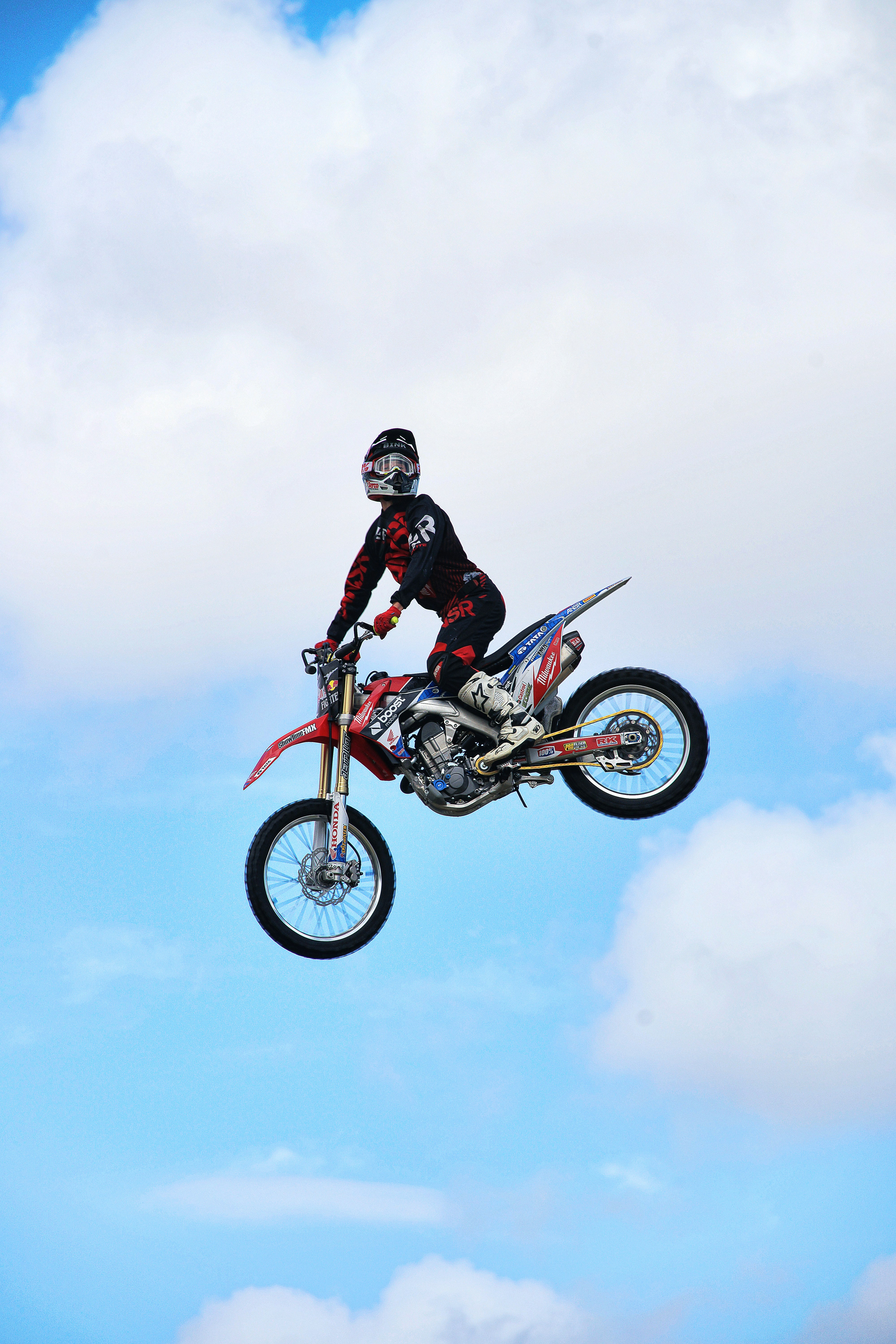
Some popular examples of dirt bikes include:
- Yamaha YZ250F - A highly respected motocross bike known for its strong performance.
- Honda CRF450R - A powerful race-ready dirt bike used by many professional riders.
- KTM 250 SX-F - A lightweight performance bike popular in motocross racing.
In terms of cost, dirt bikes are often more affordable than many street motorcycles.
Typical Prices Include:
- New Dirt Bikes: ~$6,000 - $11,000
- Used Dirt Bikes: ~$2,500 - $7,000
For many riders, dirt bikes represent the purest form of motorcycling. There are no traffic lights, no lane markings, and no commuters staring at their phones. Just you, the bike, and whatever terrain lies ahead.
Adventure and Dual Sport Bikes
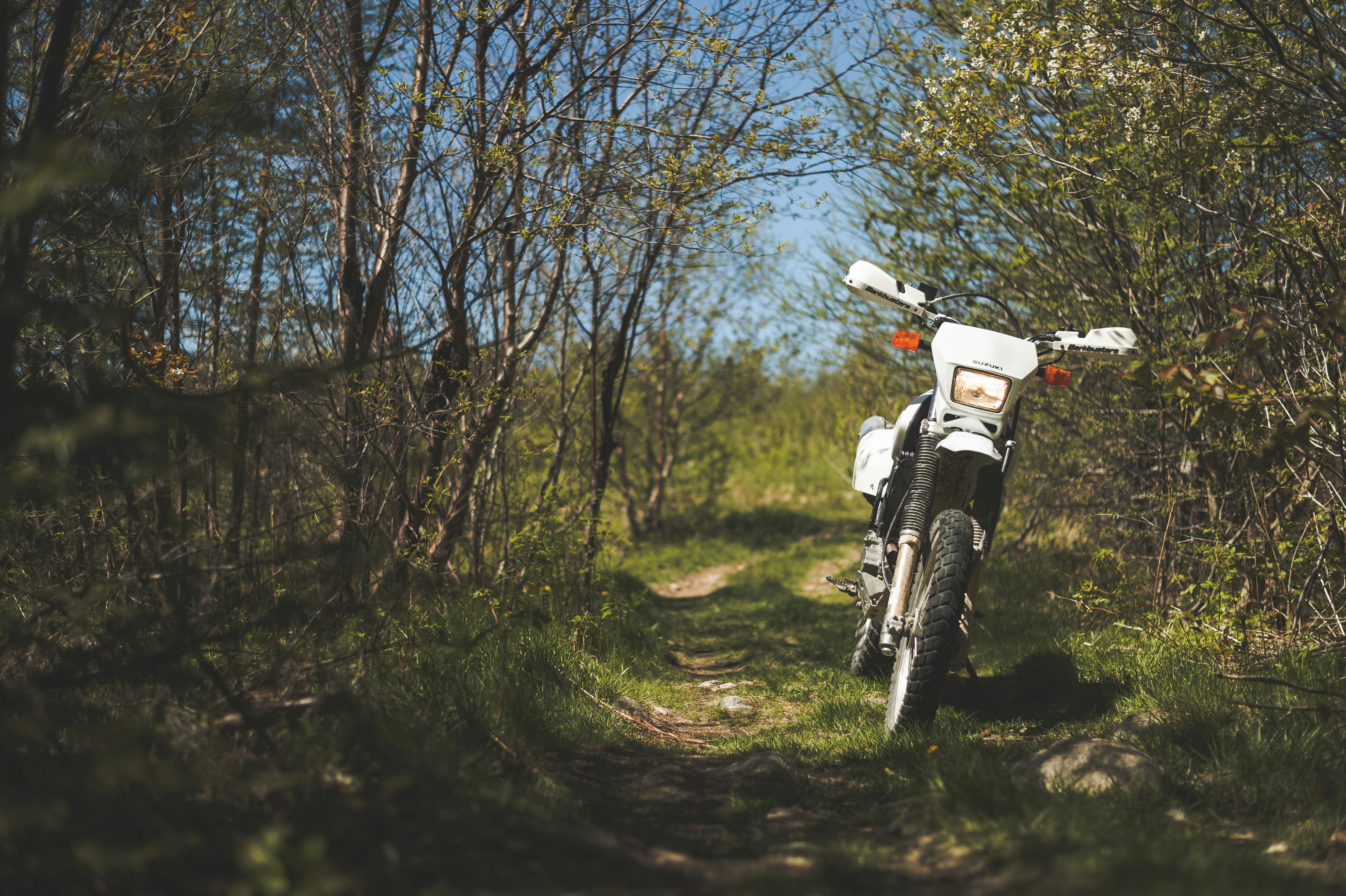
Some riders look at a road disappearing into the distance and wonder how quickly they can reach the next town. Others look at that same road and think, “I wonder where that goes.” Adventure and dual sport motorcycles are built for riders who ask that second question.
These motorcycles are designed for exploration and versatility. Unlike many street bikes that are happiest on smooth pavement, adventure and dual sport motorcycles are comfortable traveling on highways, gravel roads, forest service trails, and remote backcountry routes. They allow riders to leave the pavement behind and continue exploring long after the road signs disappear.
The riding style for these motorcycles blends long-distance travel with off-road capability. One moment you might be cruising along a quiet highway, and the next you could be turning onto a gravel road leading deep into the mountains. Riders often use these bikes for weekend exploration, cross-country travel, and backcountry adventures where the route may include both pavement and dirt.
The ergonomics of these motorcycles are designed for comfort and control. Most feature an upright riding position, wide handlebars, and tall seats that allow riders to easily stand on the foot pegs when navigating rough terrain. Suspension travel is longer than most street motorcycles so the bike can absorb bumps, rocks, and uneven surfaces without unsettling the rider.
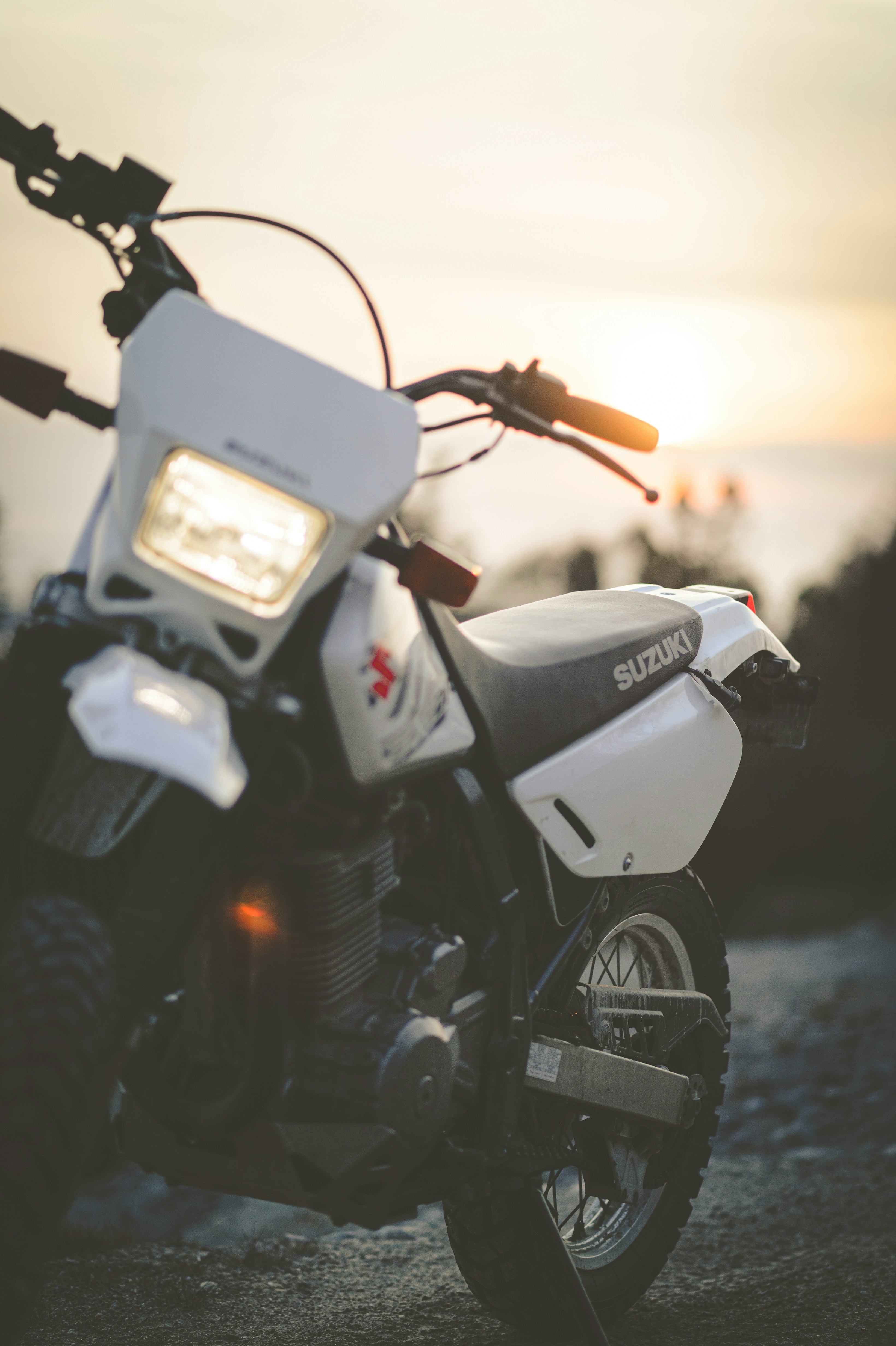
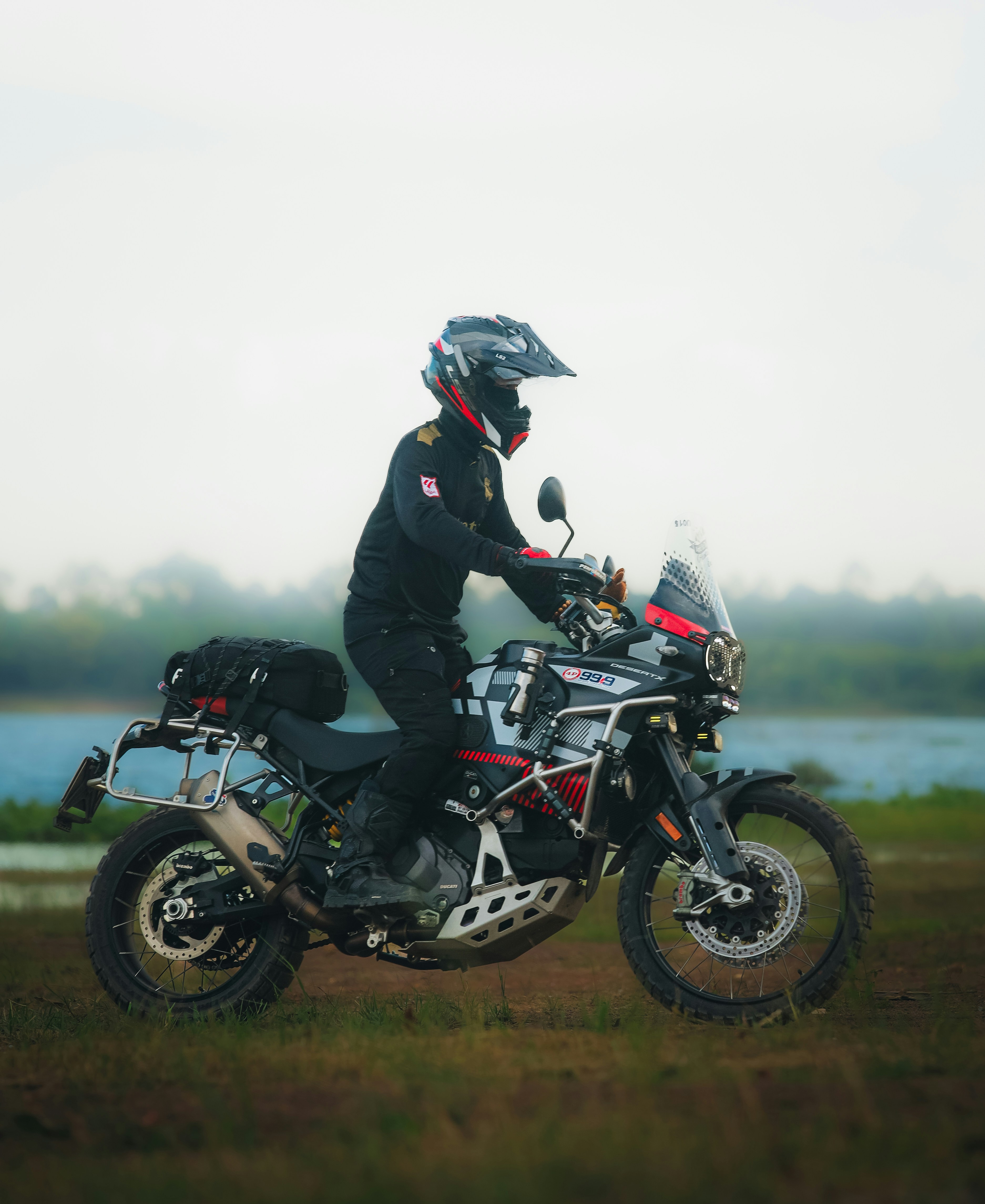
While adventure bikes and dual sports share many similarities, they exist on slightly different ends of the exploration spectrum. Adventure motorcycles are typically larger and built for longdistance travel, often equipped with windshields, luggage systems, and more powerful engines. They are designed to comfortably cover hundreds of highway miles while still being capable on gravel or dirt roads.
Dual sport motorcycles, on the other hand, are generally lighter and simpler. They resemble dirt bikes that have been made street legal, allowing riders to ride directly from their driveway to offroad trails. These bikes tend to prioritize off-road performance and maneuverability while still remaining capable on pavement.
Engine designs also reflect these different priorities. Adventure motorcycles often use parallel twin or V-twin engines, which provide smooth power and strong performance for highway riding and carrying luggage. Dual sport motorcycles more commonly use single-cylinder engines, sometimes called “thumpers,” which are lightweight, durable, and well suited for climbing hills or navigating technical terrain.
For riders who believe the best roads are often the ones that aren't paved, adventure and dual sport motorcycles offer a unique kind of freedom. They invite riders to follow curiosity wherever it leads- whether that means crossing continents or simply turning down a dort road to see what lies beyond the next hill.
Some popular examples of these motorcycles include:
- BMW R1250GS - A benchmark adventure touring motorcycle built for long-distance travel.
- Yamaha Tenere 700 - A lighter adventure bike with strong off-road capabilites.
- Honda Africa Twin - A legendary machine designed for serious exploration.
- Suzuki DR650 - A simple and reliable dual sport favored by adventure riders.
- Honda CRF300l - A lightweight beginner-friendly dual sport.
- Kawaski KLX300 - A capable off-road motorcycle that is also street legal.
Prices for these motorcycles vary depending on size and capability.
Typical prices include:
- New dual sport motorcycles: ~$5,000 - $9,000
- Used dual sport mptorcyles: ~$3,000 - $7,000
- New adventure motorcycles: ~10,000 -$25,000
- Used adventure motorcycles: ~6,000 - $18,000
Super Sport Motorcycles
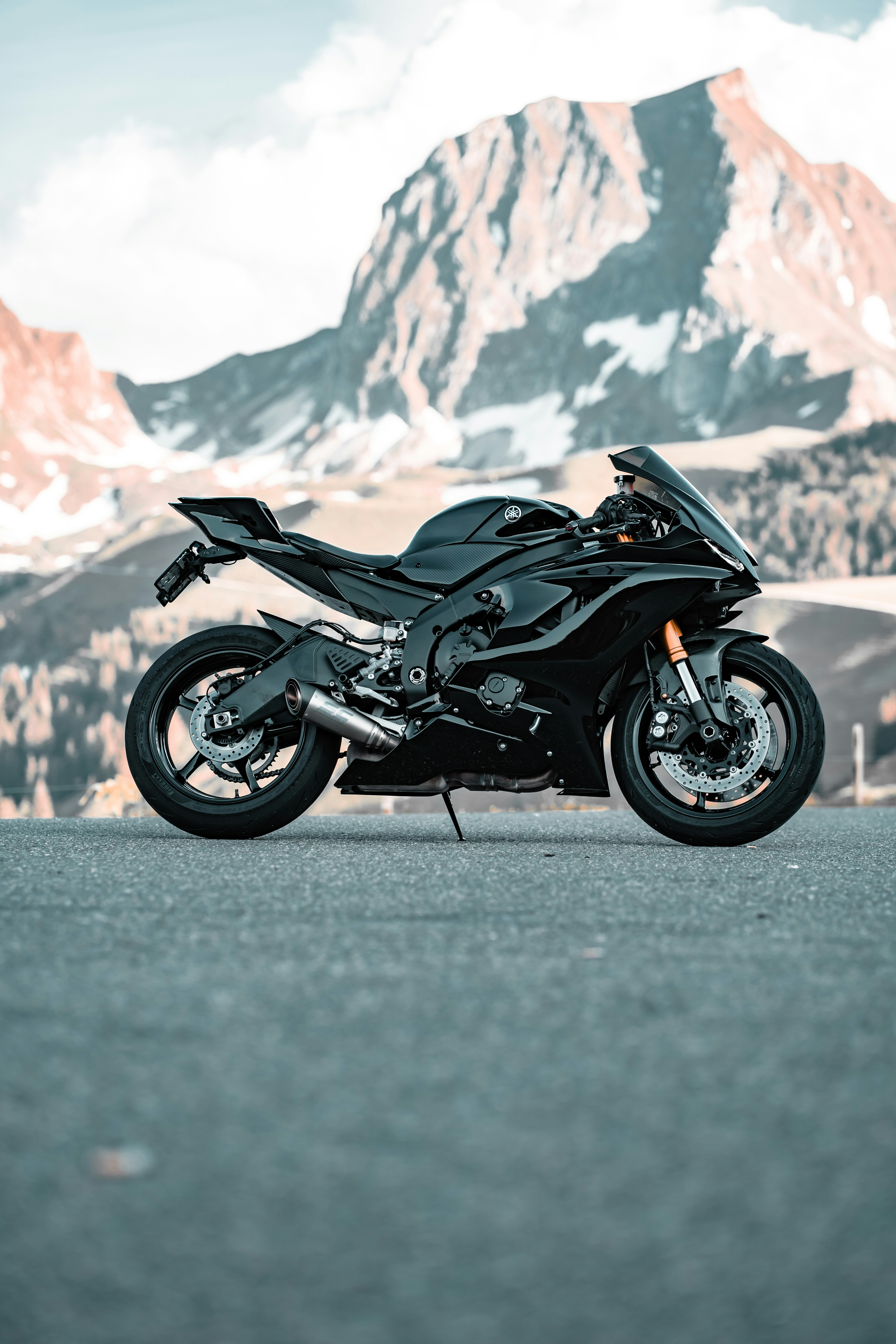
If dual sports represent freedom and exploration, super sport motorcycles represent something else entirely: pure performance. These machines are engineered with one primary goal in mind—speed.
Super sport motorcycles are essentially race-inspired machines that have been adapted for street use. Many of their design features come directly from professional racing motorcycles used in series like MotoGP and World Superbike. Everything about these bikes, from the engine to the aerodynamics, is built for high-performance riding.
The riding style of a super sport motorcycle is aggressive and highly focused. These bikes are designed for rapid acceleration, sharp cornering, and high speeds. Riders often enjoy them on racetracks or winding mountain roads where the bike's performance can truly shine.
However, super sports are not particularly interested in comfort. They are designed for performance first, and everything else comes second. Riding one feels like sitting inside a finely tuned machine that constantly reminds you it was built for speed.
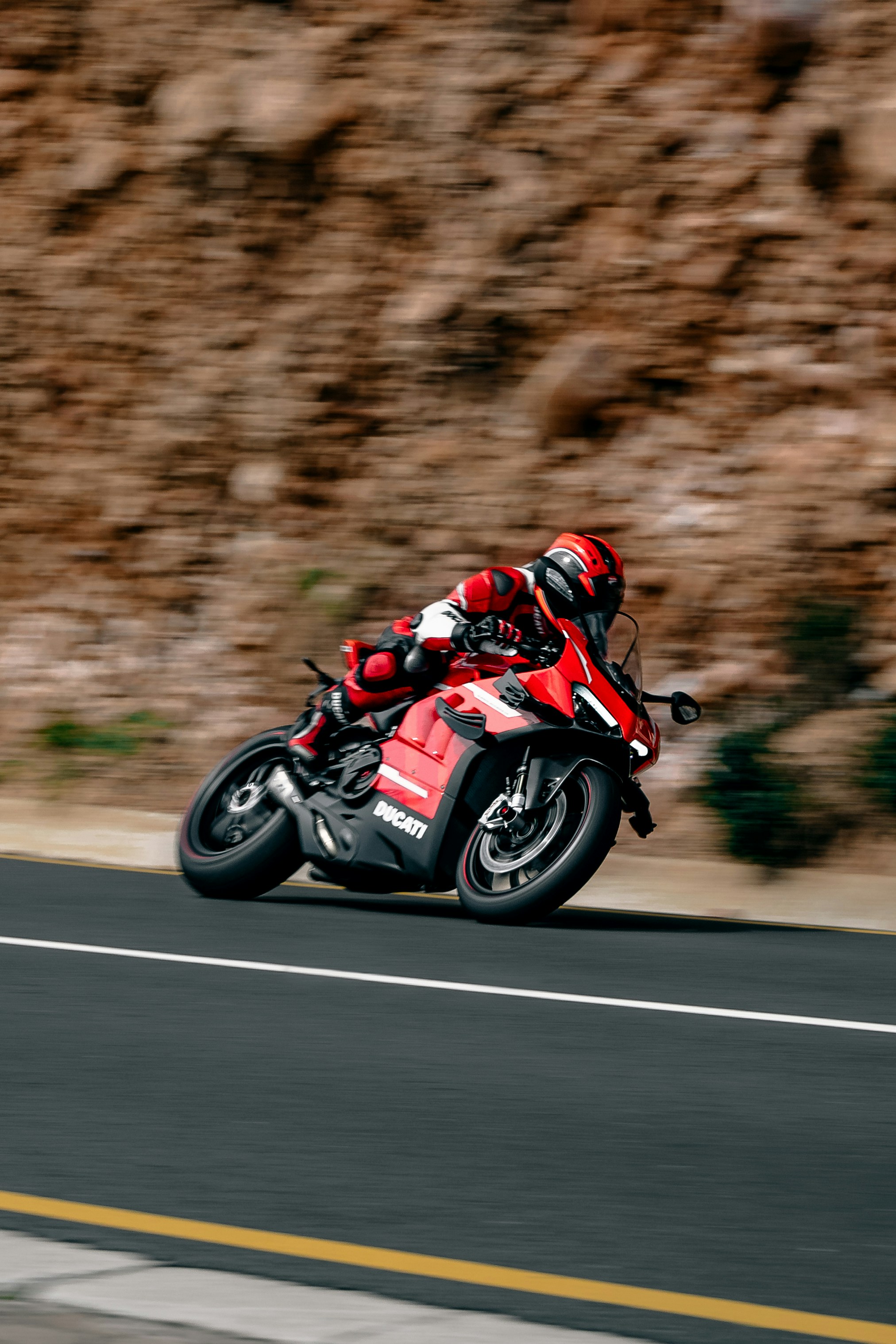
The ergonomics of a super sport motorcycle reflect its racing heritage. The rider leans forward into a tucked position with low handlebars and high rear-set foot pegs. This position improves aerodynamics and allows the rider to better control the motorcycle during aggressive cornering, but it can also place more strain on the wrists and back during long rides.
Super sport motorcycles typically use high-revving inline four-cylinder engines, although some models use twin-cylinder designs. These engines are engineered to produce large amounts of horsepower at high RPM. Engine sizes commonly range from 600cc to 1000cc, with the larger models capable of producing well over 150 horsepower.
Some famous examples of super sport motorcyles include:
- Yamaha YZF-R6 - One of the most iconic middleweight super sport bikes ever built.
- Kawasaki Ninja ZX-6R - Known for its powerful engine and sharp handling.
- Honda CBR1000RR Fireblade - A flagship liter-class performance motorcycle.
Super sport motorcycles can be expensive due to their advanced technology, high-performance engines, and premium components.
Typical prices include:
- New super sport motorcycles: ~$11,000 - $18,000
- Used super sport motorcycles: ~$6,000 - $12,000
Riding a super sport motorcycle can be an unforgettable experience. The acceleration is intense, the handling is razor-sharp, and the sound of the engine climbing toward redline is something that never quite gets old. They are machines built for riders who crave adrenaline and precision, and when ridden skillfully, they deliver one of the most thrilling experiences motorcycling has to offer.
Cruiser Motorcycles
Cruiser motorcycles are the laid-back rebels of the motorcycle world. If motorcycles had personalities, cruisers would be the ones leaning against a diner counter with a cup of coffee, or kicked back on the porch with their buddies, enjoying the scenery and not in the slightest hurry to get anywhere. These bikes are designed for comfort, style, and relaxed riding rather than aggressive performance.
The riding style of a cruiser is calm and unhurried. Riders typically enjoy long scenic roads, relaxed weekend rides, and the simple pleasure of cruising along with the engine rumbling beneath them. Cruisers emphasize the journey itself rather than the destination. They aren't meant for racing or aggressive cornering—they're meant for enjoying the road and the experience of riding.
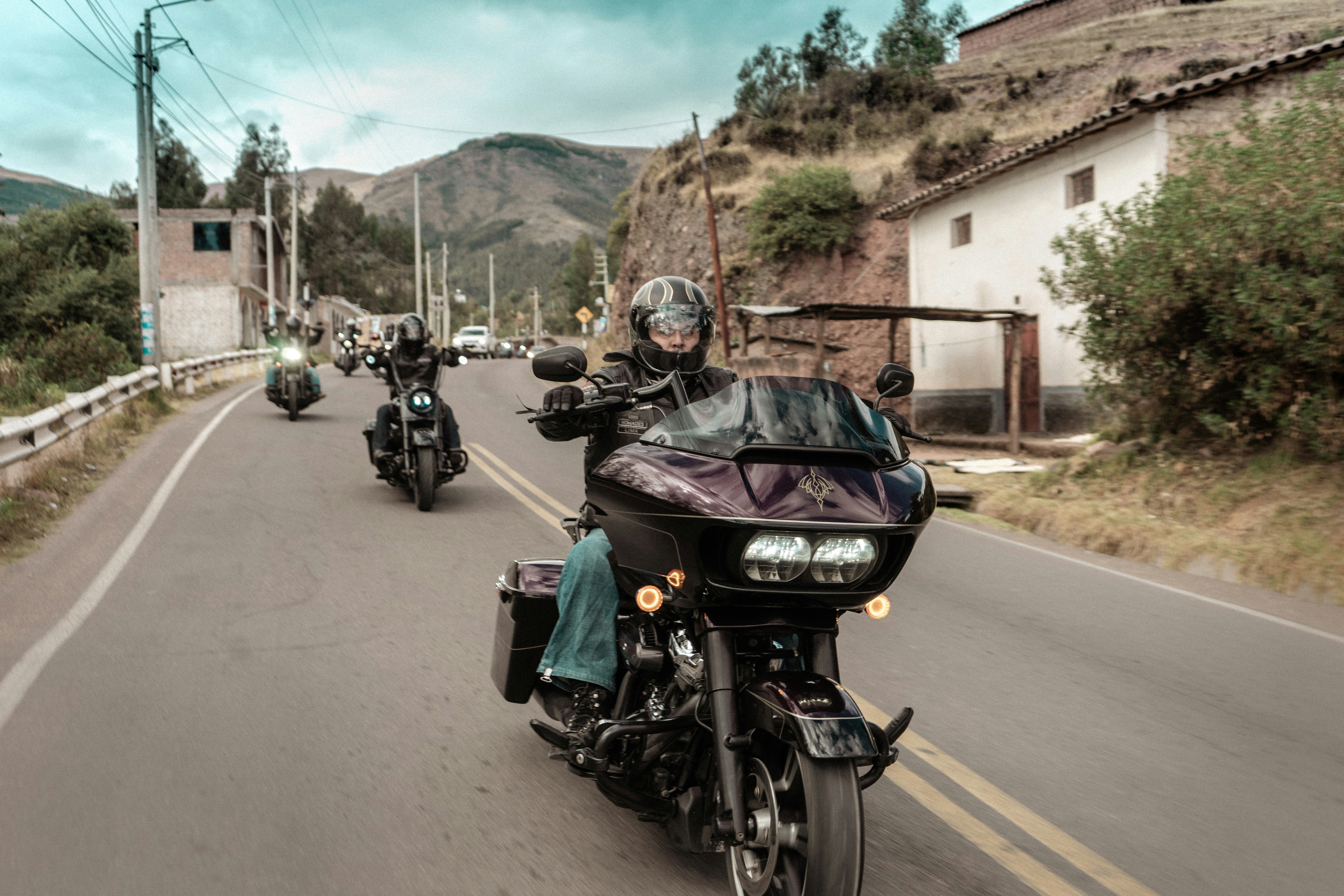
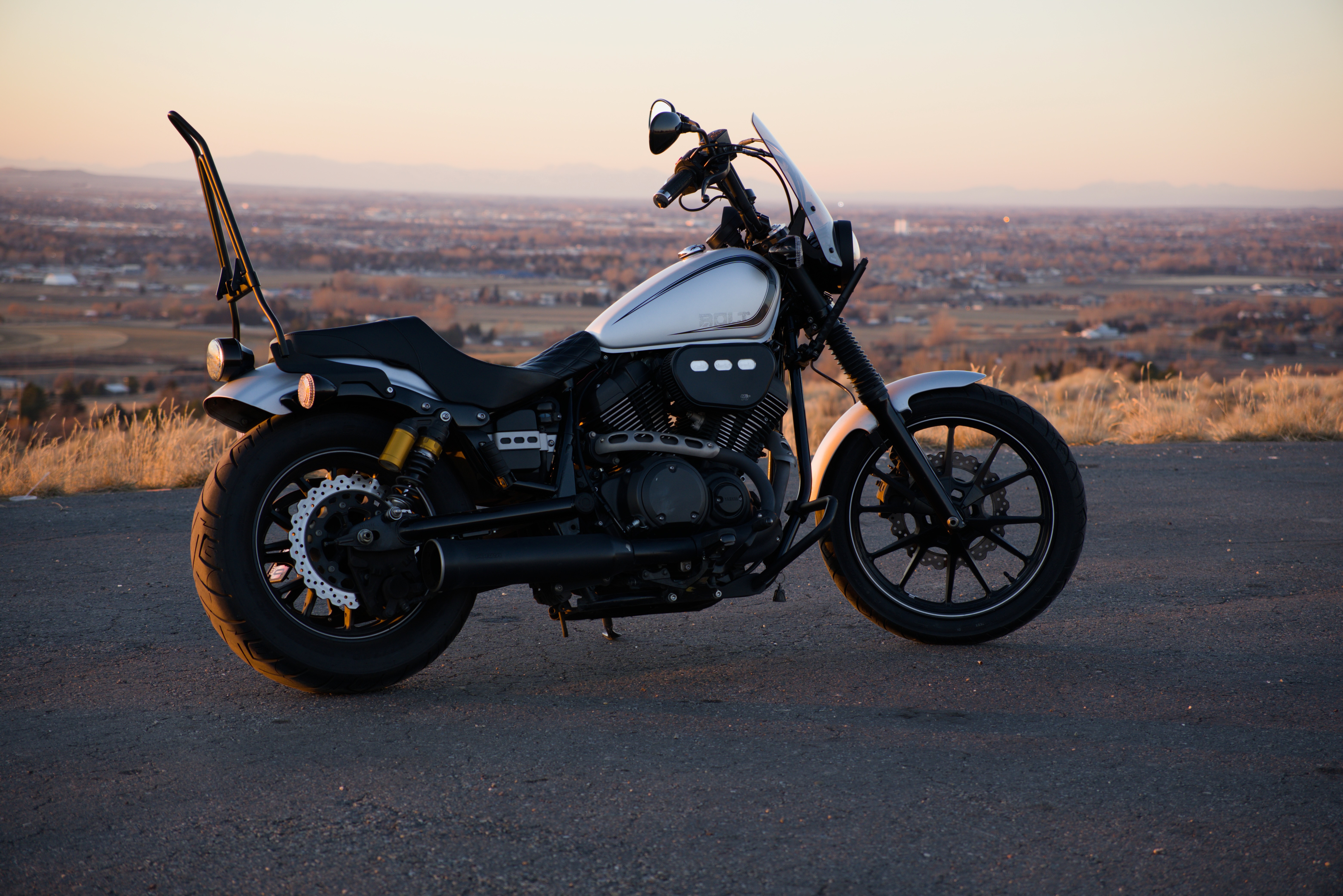
Cruisers are extremely popular among riders who appreciate classic motorcycle culture. Many cruiser riders are drawn to the timeless design language that defines these bikes: large engines, low seats, plenty of chrome, and a stance that looks just as good parked outside a café as it does rolling down a highway.
Ergonomically, cruisers are designed for comfort and accessibility. Most cruisers have a low seat height, which makes them easy to manage for many riders, especially beginners. The rider's feet are typically positioned forward on controls mounted near the front of the bike, allowing for a relaxed, stretched-out riding position. Wide handlebars further contribute to the comfortable feel.
The engines used in cruisers are usually V-twin engines, a configuration famous for its deep rumbling sound and strong low-end torque. These engines are not usually designed for extremely high speeds, but they produce smooth, powerful acceleration at lower RPMs. Engine sizes vary widely but commonly range from 500cc to well over 1800cc on larger touring-style cruisers.
Some well-known cruiser motorcycles include:
- Harley-Davidson Street Bob - A classic American cruiser with strong torque and iconic styling.
- Yamaha Bolt - A minimalist cruiser known for its approachable size and strong performance.
- Honda Rebel 1100 - A modern cruiser combining classic styling with modern technology.
Cruisers come in a wide range of prices depending on brand, size, and features.
Typical prices include:
- New cruiser motorcycles: ~$9,000 - $40,000
- Used cruiser motorcycles: ~$4,000 - $12,000
Cruisers often become deeply personal machines for their riders. Many owners customize them with new seats, exhaust systems, handlebars, and paint jobs. In many ways, cruiser motorcycles are not just vehicles—they're expressions of personal style and individuality.
Naked / Standard Motorcycles
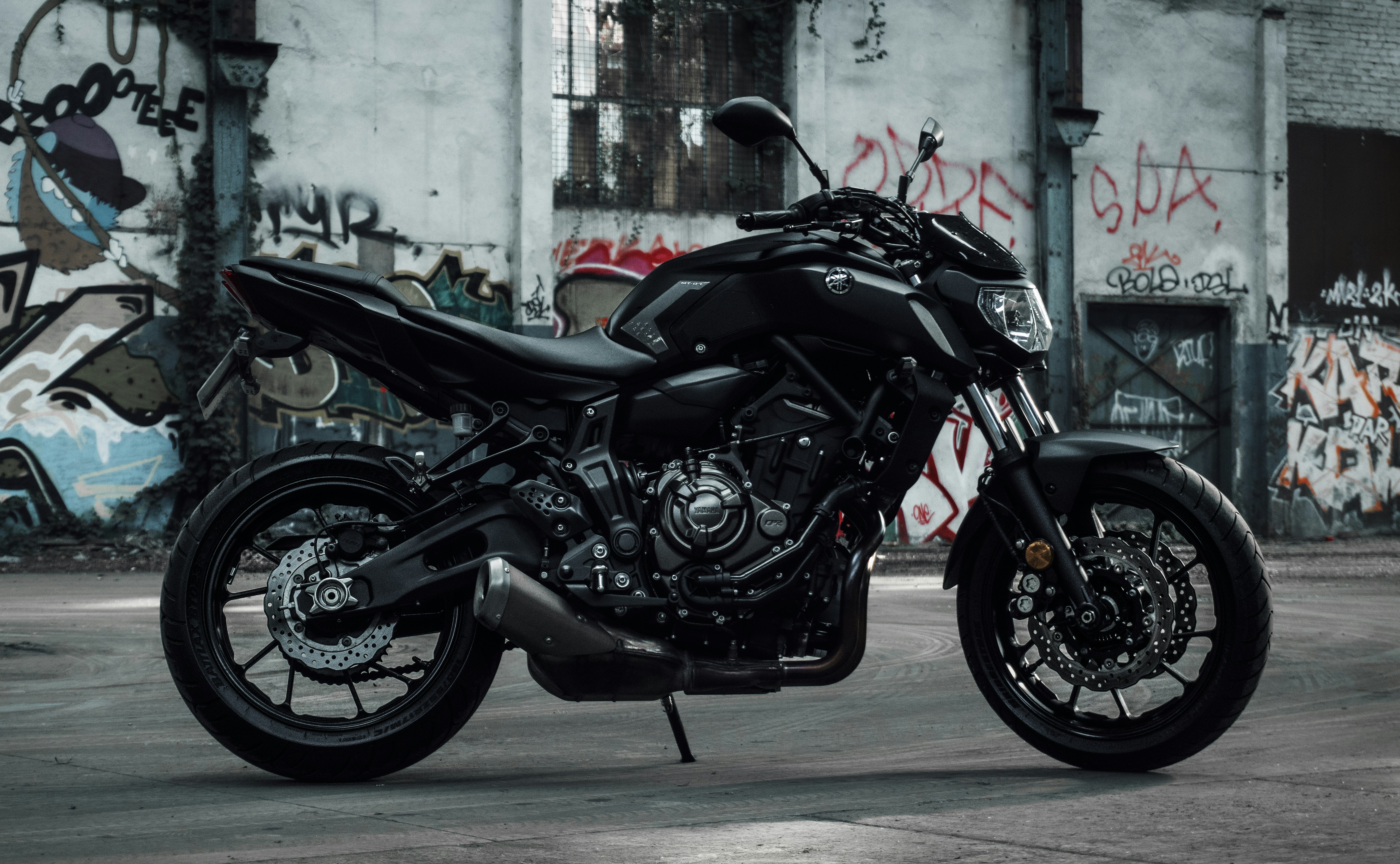
Naked motorcycles, sometimes called standard motorcycles, are the versatile all-rounders of the motorcycle world. They don't specialize in any one extreme category of riding, but they perform well in many different situations. If you were forced to own just one motorcycle for commuting, weekend rides, and occasional spirited riding, a naked bike would probably be near the top of the list.
The term “naked” refers to the bike's design. Unlike many sport motorcycles that hide their mechanical components behind large fairings and body panels, naked bikes leave much of the engine and frame visible. This exposed mechanical look gives them a rugged and purposeful aesthetic that many riders appreciate.
The riding style of a naked motorcycle is balanced and flexible. These bikes are comfortable enough for daily commuting, responsive enough for spirited riding on twisty roads, and practical enough for general everyday transportation. They may not dominate racetracks like super sports or explore dirt trails like dual sports, but they handle most common riding situations extremely well.
Ergonomics are one of the biggest advantages of naked motorcycles. The seating position is typically neutral and upright, which makes them comfortable for many riders. Handlebars are positioned higher than those on sport bikes, and foot pegs are located in a natural mid-mounted position. This setup reduces strain on the rider's wrists and back, especially during longer rides.
Naked bikes are also generally lighter and easier to control than larger touring motorcycles. This makes them a popular choice for beginner riders who want a motorcycle that feels manageable and confidence-inspiring.
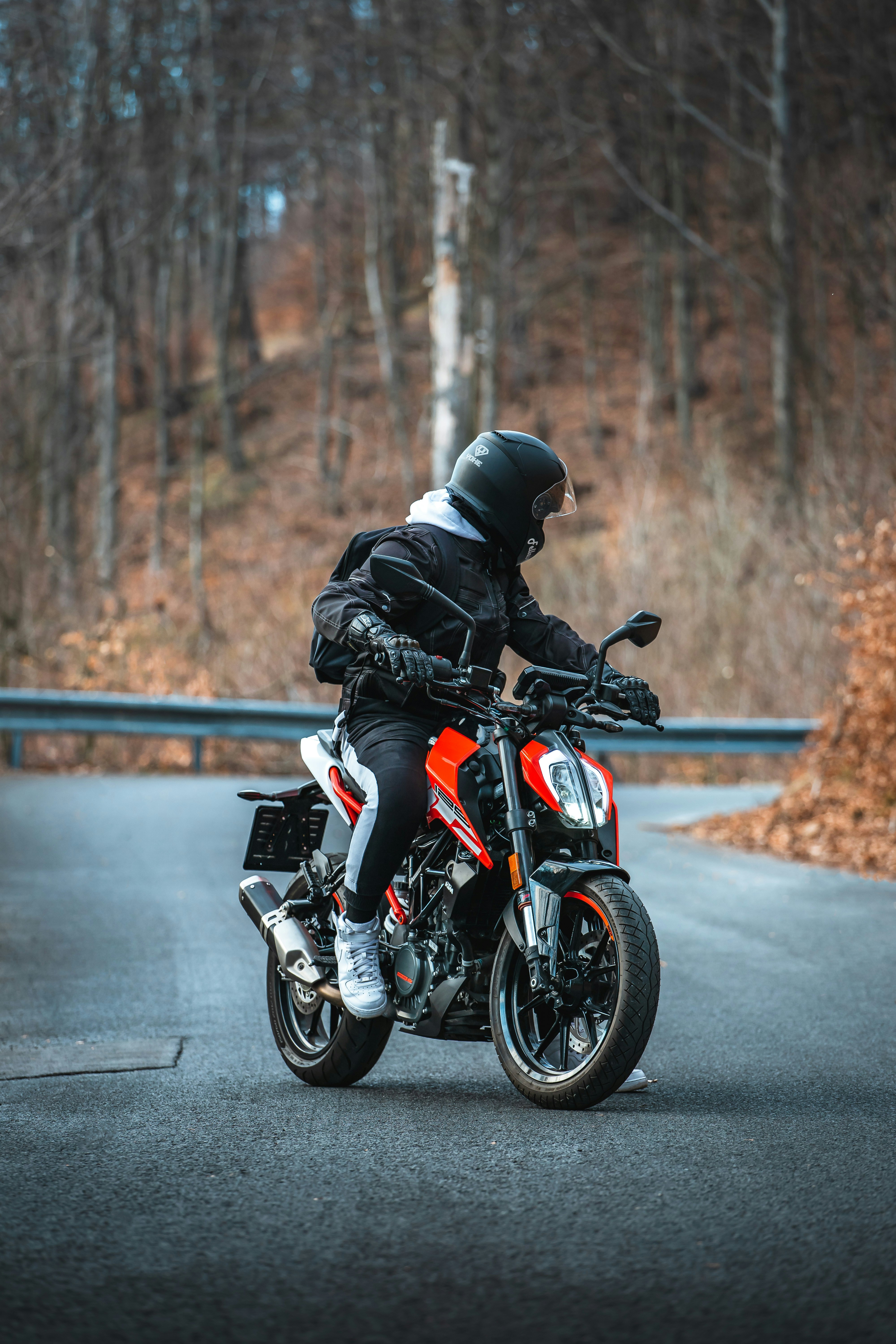
Engines on naked motorcycles vary widely depending on the model. Many bikes use parallel twin engines or inline four-cylinder engines, typically ranging between 300cc and 900cc. These engines provide a good balance of power, smoothness, and reliability.
Popular naked motorcycles include:
- Yamaha MT-07 - A lightweight and extremely popular naked bike known for its lively engine.
- Kawasaki Z650 - A well-balanced middleweight motorcycle that is both sporty and comfortable.
- Honda CB650R - A stylish modern standard bike with a smooth inline four engine.
Prices for naked motorcycles are often more affordable than high-end performance bikes.
Typical prices include:
- New naked motorcycles: ~$6,000 - $12,000
- Used naked motorcycles: ~$4,000 - $9,000
Naked motorcycles are often recommended for beginners because they combine manageable performance, comfortable ergonomics, and practical usability. But even experienced riders love them because they simply make every day riding fun.
Cafe Racers
Café racers represent one of the most stylish and culturally rich categories of motorcycles. Their origins trace back to motorcycle culture in Britain during the 1950s and 1960s, when riders modified their bikes to be faster, lighter, and better suited for short bursts of speed.
The name “café racer” comes from this very tradition. Riders would gather at cafés, challenge each other to short races along public roads, and modify their motorcycles to achieve higher speeds and improved performance. These modifications eventually developed into a distinctive motorcycle style that remains popular today.
The riding style of a café racer is spirited but not necessarily extreme. These bikes are typically used for urban riding, short trips, and enjoying the aesthetic and culture surrounding classic motorcycles. They are often more about style and character than outright speed or long-distance comfort.
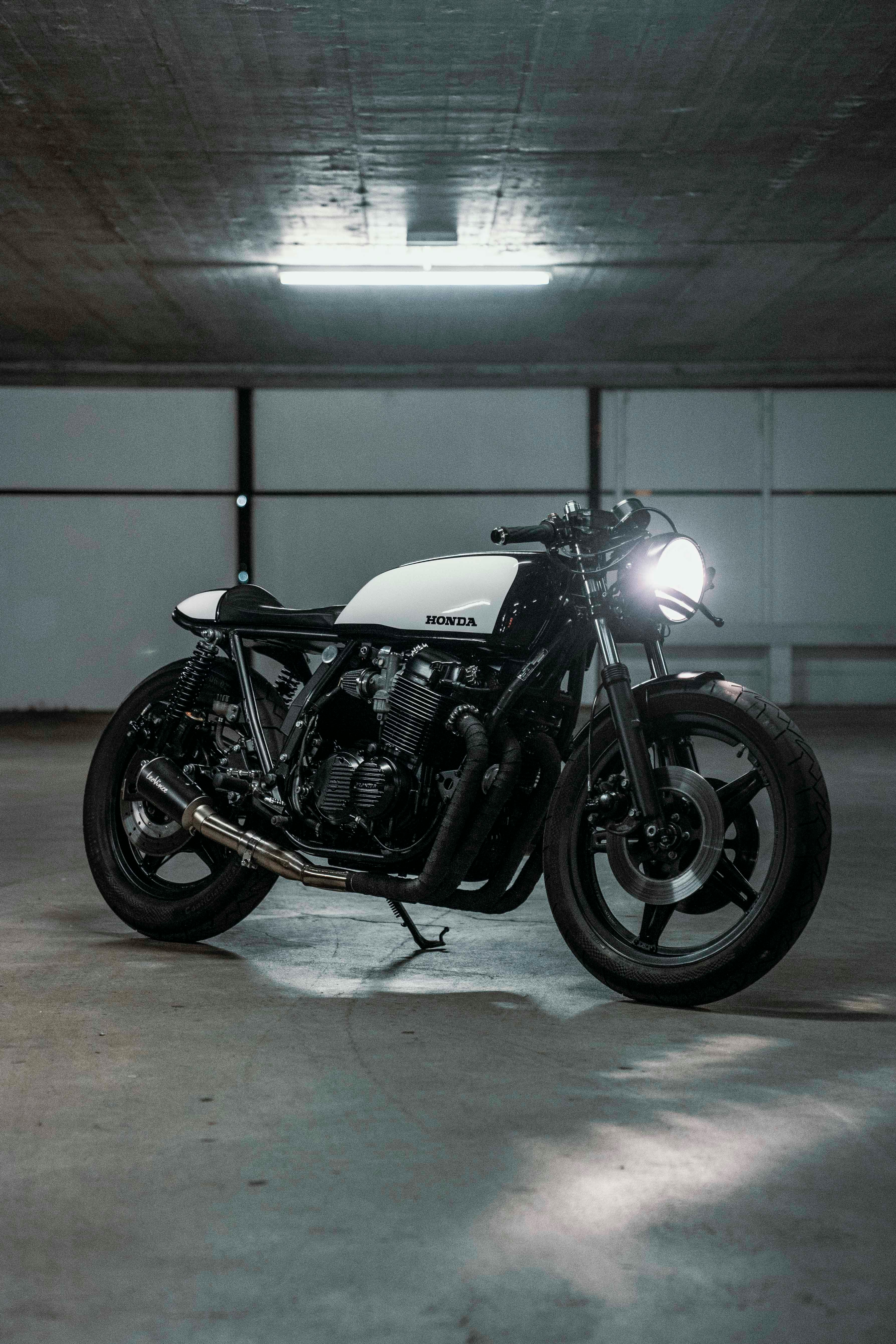
Ergonomically, café racers feature a slightly aggressive riding position. Riders lean forward toward low clip-on handlebars, and the foot pegs are positioned further back on the bike. This creates a sporty posture that resembles vintage racing motorcycles.
Café racers are also known for their minimalist design. They often feature a slim fuel tank, single-seat tail section, and minimal bodywork. Many models highlight exposed mechanical components, emphasizing the raw mechanical beauty of the motorcycle.
Engine types vary depending on the manufacturer, but most café racers use parallel twin engines or V-twin engines, typically between 400cc and 900cc. These engines provide a balance of performance and character while maintaining the classic feel that defines this style of motorcycle.
Examples of café racer motorcycles include:
- Triumph Thruxton - A modern café racer that perfectly captures classic British racing style.
- Royal Enfield Continental GT - A lightweight and affordable café racer with vintage charm.
- Ducati Scrambler Café Racer - A stylish blend of modern performance and retro design.
Typical prices include:
- New café racer motorcycles: ~$7,000 - $16,000
- Used café racer motorcycles: ~$4,000 - $10,000
Café racers have a unique charm that goes beyond pure performance. They celebrate motorcycle history, craftsmanship, and individuality. For many riders, owning a café racer isn't just about transportation—it's about participating in a long-standing tradition of motorcycle culture.